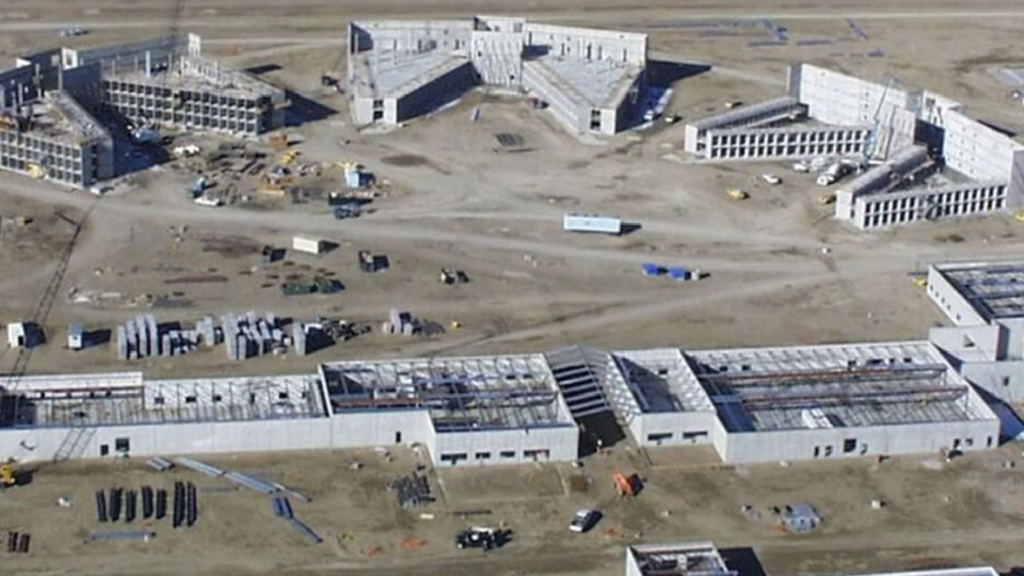
Inside the Walls: Exploring Life at a Federal Correctional Institution
Welcome to a glimpse inside the world of a Federal Correctional Institution. These facilities, commonly referred to as low-security federal prisons, play a crucial role in the criminal justice system. Designed to house inmates who present a lower risk to society, low-security prisons offer a unique environment compared to maximum-security facilities. Here, the focus is on rehabilitation, reintegration, and preparing individuals for successful reentry into their communities. Let's explore what life is like within the walls of these institutions, shedding light on the daily routines, programs, and challenges faced by both staff and inmates. ###Introduction###
Welcome to a unique glimpse into life within Federal Correctional Institutions, specifically focusing on low security prisons within the federal system. As one delves into the intricate workings of these facilities, it becomes apparent that each institution operates as a microcosm of society, with its own set of rules, hierarchies, and daily routines.
Within the realm of low security federal prisons, individuals are housed who have been convicted of less severe crimes and pose a lower risk to society. This setting allows for more relaxed supervision and increased freedom of movement compared to higher security facilities. Despite the subdued atmosphere, these institutions still adhere to strict protocols to ensure safety and security for both inmates and staff.
Curious minds often wonder – what are low security federal prisons like? It's important to understand that while the physical barriers may be less imposing, the mental and emotional challenges faced by inmates remain significant. These facilities aim to strike a balance between punishment and rehabilitation, offering programs and resources geared towards preparing individuals for successful re-entry into society.
Life at a Low Security Federal Prison
Life at a low security federal prison emphasizes rehabilitation and reintegration. Inmates in these facilities typically have more privileges and freedom compared to higher security prisons. They are allowed to participate in educational programs, vocational training, and group therapy sessions aimed at preparing them for successful reentry into society.
Low security federal prisons often have dormitory-style housing units where inmates have more autonomy. With less supervision, inmates are expected to follow the rules and guidelines set by the institution. list of low security federal prisons fosters a sense of responsibility and accountability among the incarcerated individuals, encouraging them to make positive choices and work towards their rehabilitation goals.
The atmosphere at low security federal prisons is more relaxed compared to higher security facilities. Inmates have the opportunity to engage in outdoor recreational activities, such as sports and gardening. The focus is on fostering a sense of community and encouraging individuals to take responsibility for their actions while providing them with the tools and resources they need to make positive changes in their lives.
List of Low Security Federal Prisons
Here are some examples of low security federal prisons in the United States:
- Sheridan Federal Correctional Institution located in Sheridan, Oregon.
- Lompoc Federal Correctional Institution in Lompoc, California.
- Allenwood Federal Prison Camp situated in Allenwood, Pennsylvania.