Exploring the Inner Workings of Low Security Prisons
Welcome to the world of low security prisons, where a unique blend of structure and relative freedom shapes the daily experience of those incarcerated within their walls. These facilities, often referred to as Federal Correctional Institutions (FCIs), are designed to house inmates deemed to be at a lower risk of escape or posing a threat to society. Despite the term “prison,” low security facilities typically maintain a more relaxed atmosphere compared to their higher security counterparts, reflecting the lower level of perceived danger associated with the inmate population they house.
Within the realm of low security federal prisons, inmates may find themselves in environments that offer greater autonomy and opportunities for personal development as they serve out their sentences. While security measures are still in place, the focus shifts towards facilitating rehabilitation and preparing individuals for eventual reintegration into society. Through a combination of structured programming, vocational training, and community reentry assistance, these institutions aim to address the underlying issues that may have contributed to an individual's incarceration, paving the way for a smoother transition upon release.
Overview of Low Security Prisons
In the realm of the corrections system, low security prisons play a crucial role in housing individuals who have committed non-violent offenses or are nearing the completion of their sentences. These institutions, such as federal correctional institutions, are designed to offer more liberties to inmates compared to higher security facilities. prison security level in low security federal prisons generally have more freedom of movement within the facility and may have access to outdoor recreational areas.
Contrary to popular perception, low security prisons are not devoid of rules and regulations. Inmates are still required to adhere to a set of guidelines and are subject to routine checks and supervision by correctional staff. Despite the somewhat relaxed atmosphere, security measures are in place to ensure the safety of both inmates and staff. This balance between autonomy and supervision is intended to facilitate the reintegration process and promote a sense of responsibility among the incarcerated individuals.
While each low security federal prison may have its unique features, they generally prioritize preparing inmates for successful reentry into society. Educational and vocational programs are often available to help inmates acquire valuable skills and knowledge. Additionally, counseling services and substance abuse treatment programs may be offered to support the rehabilitation process. Overall, low security prisons aim to strike a balance between security and rehabilitation, paving the way for individuals to make positive changes in their lives.
Characteristics of Low Security Federal Prisons
In low security federal prisons, inmates have more freedom of movement compared to higher security facilities. This includes being allowed to participate in vocational training programs, recreational activities, and educational classes. The emphasis is on rehabilitation and preparing inmates for reintegration into society upon release.
Low security federal prisons typically have dormitory-style housing units rather than individual cells. Inmates may have more personal space and communal areas for socializing. The atmosphere is generally more relaxed compared to higher security facilities, with less supervision and fewer restrictions on inmate interactions.
While security measures are still in place, such as perimeter fencing and surveillance cameras, the overall level of security is lower in these facilities. Inmates in low security federal prisons are often nearing the end of their sentences and have demonstrated good behavior, making them eligible for placement in a less restrictive environment.
Here are some examples of Low Security Federal Prisons in the United States:
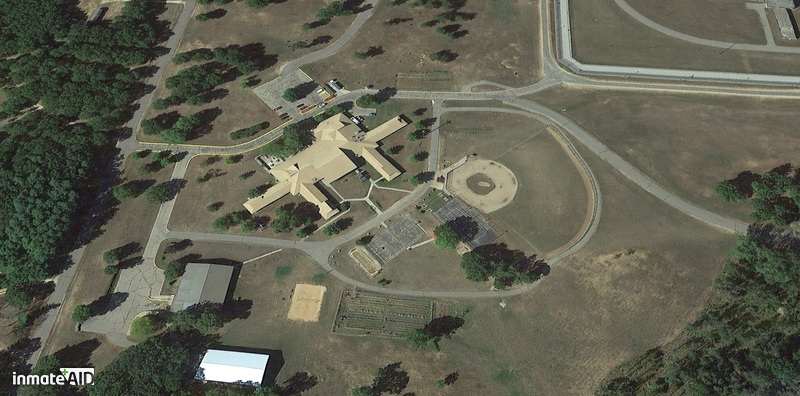 2. Federal Correctional Institution Butner Low – Located in Butner, North Carolina. It houses male inmates with relatively low security requirements.
Federal Correctional Institution Coleman Low – Situated in Sumterville, Florida. Known for its open atmosphere and rehabilitation-focused programs.
Federal Correctional Institution Lompoc – Found in Lompoc, California. A low-security facility offering various vocational and educational opportunities for inmates.